
Finding jobs in Nigeria has always been a job itself when you have no connections to help. As harsh as it may sound, this is the reality many face. But here’s what I won’t be sharing in this post:
- Guides on optimizing your resume
- Writing cover letters
- Preparing for interviews
Why not? Because these topics have been covered in depth on countless websites. A simple Google search will give you all the information you need on those.
Instead, we’ll focus on what truly matters today: how to secure the latest job vacancies in Nigeria and set yourself up for long-term success.
This is 2024, and the job market has evolved. Let’s dive into what really works.
Leverage Social Media for Jobs in Nigeria
In today’s job market, it’s crucial for every graduate or job seeker to learn how to use social media to their advantage. Social media isn’t just for entertainment; it can be a powerful tool to help you land jobs in Nigeria or even a side hustle.
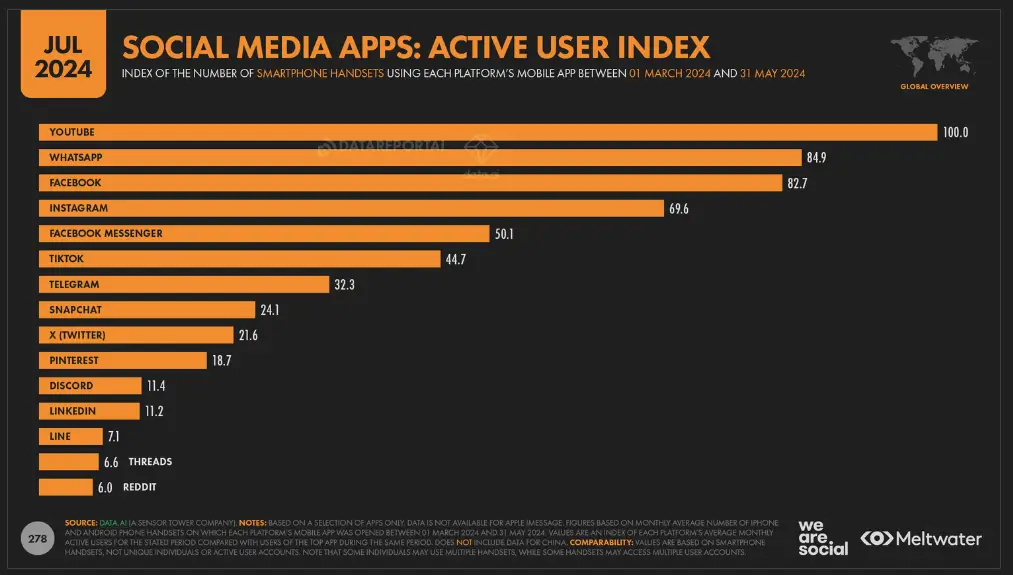
According to Meltwater, platforms like YouTube, with 2.50 billion users, dominate globally, but this also reflects the importance of being visible in the digital space. You can’t afford to just be a consumer. You need to leverage these platforms to get noticed by potential employers.
To leverage social media effectively, follow these actionable steps:
You Need a Professional Profile
Start by establishing a LinkedIn profile that showcases your skills, education, and any relevant projects. Use a professional photo and write a compelling headline that reflects your career aspirations. For other platforms like Instagram or Facebook, consider creating a separate professional account to highlight your work and interests.
Engage with Content
Actively engage with content related to your field of interest. This could involve commenting on posts, sharing industry articles, or posting your insights. By becoming an active participant in relevant discussions, you increase your visibility to potential employers.
Join Industry-Specific Groups
Look for groups on LinkedIn or Facebook that focus on your industry or profession. These groups can provide valuable networking opportunities, job postings, and insights into industry trends. Participate in discussions and share your knowledge to build credibility.
Utilize Job Boards
Many social media platforms now have job boards. For instance, LinkedIn has a dedicated job search feature that allows you to filter positions based on location, industry, and experience level. Set up job alerts so you can be among the first to know about the latest job vacancies in Nigeria.
Take Online Courses Before and After Graduation
Online learning offers a wealth of opportunities for skill development that can enhance your employability. Here are some steps to maximize this resource:
Identify Market Demands
Research the skills that are currently in demand in your field. This can involve looking at job postings to see which qualifications employers frequently request. Our jobs listing can provide insights into trending skills in Nigeria.
Choose Relevant Courses
Once you identify the skills you need, look for online courses that offer training in these areas. For example, if you’re interested in digital marketing, consider courses on platforms like Google Digital Garage or HubSpot Academy that offer free certifications.
Focus on Practical Skills
Opt for courses that provide hands-on experience or projects. These types of courses allow you to build a portfolio, which can be crucial when showcasing your abilities to potential employers.
Network with Instructors and Peers
Take advantage of online forums or discussion boards associated with your courses. Engaging with instructors and fellow students can expand your network and potentially lead to job opportunities or collaborations in the future.
Volunteer Your Skills to Support Local Businesses
Gaining practical experience is essential in today’s competitive job market. Here’s how you can effectively volunteer your skills:
Identify Local Businesses
Look for small businesses or startups in your community that could benefit from your skills. This could include graphic design, social media management, or administrative support. Many local businesses are often overwhelmed and eager for assistance, even if it’s on a voluntary basis.
Offer Your Services
Reach out to these businesses with a clear proposal of how your skills can help them. For instance, if you’ve taken an online course in social media marketing, you could offer to manage their social media accounts for a month in exchange for experience and a reference.
Build a Portfolio
As you volunteer, document your work and the results you achieve. This could include social media engagement metrics, graphic designs, or any projects you complete. Having tangible evidence of your contributions will enhance your portfolio, making you more attractive to future employers.
Seek Feedback and Mentorship
Use this opportunity not only to gain experience but also to seek feedback from business owners or managers. Ask for guidance on improving your skills, and don’t hesitate to request letters of recommendation or endorsements that you can add to your professional profiles.
Final Thought
If you read to this point, I want you to take action. Reach out if you need courses that will take you from newbie to a professional.